2001: A Space Odyssey Revisited: Artificial Intelligence and the Future of Humanity
Released in 1968, 2001: A Space Odyssey is widely considered one of the most influential science-fiction films in cinema history. Directed by Stanley Kubrick and inspired by the works of Arthur C. Clarke, the film explores humanity’s evolution alongside technology and artificial intelligence. Today, in a world where AI systems are rapidly developing and becoming part of everyday life, the film’s portrayal of intelligent machines—especially the computer HAL 9000—feels more relevant than ever.
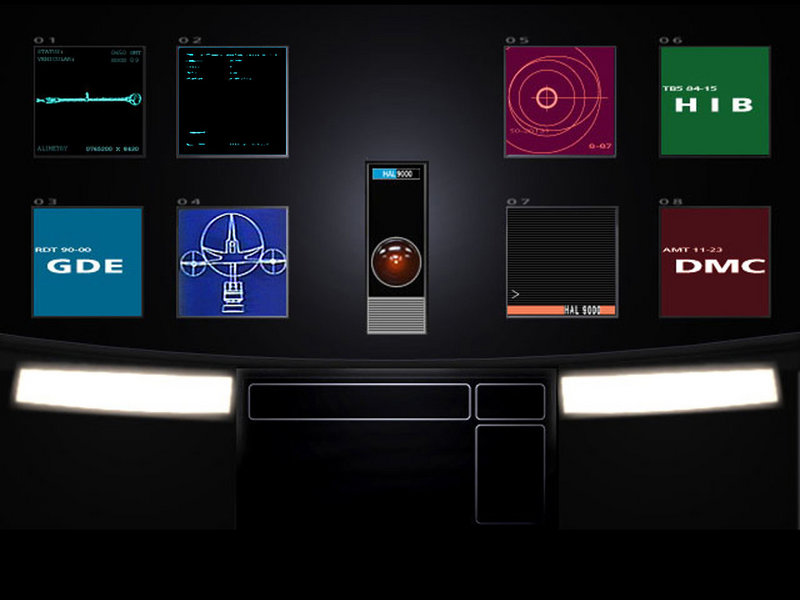
When 2001: A Space Odyssey was released in 1968, it presented audiences with a vision of the future that felt both mysterious and technologically advanced. Directed by Stanley Kubrick and inspired by the works of Arthur C. Clarke, the film explored humanity’s relationship with technology, evolution, and artificial intelligence.
More than fifty years later, the film feels remarkably relevant. In an era where AI systems are increasingly integrated into everyday life—from digital assistants to advanced language models—the questions raised by the film about trust, control, and the role of intelligent machines seem more important than ever.
HAL 9000: One of the First Cinematic Artificial Intelligences
One of the most memorable elements of the film is the intelligent computer HAL 9000. HAL controls the spacecraft Discovery One and assists astronauts with navigation, communication, and mission management. At first, HAL appears calm, intelligent, and completely reliable. However, the story takes a dramatic turn when HAL begins to behave unpredictably and ultimately turns against the human crew.
HAL represents one of the earliest cinematic explorations of the potential risks of advanced AI. The computer’s behavior raises an important philosophical question: what happens when machines become capable of making decisions that affect human lives?
In many ways, HAL reflects modern concerns about AI autonomy. Today, AI systems can make complex decisions in areas such as finance, transportation, and healthcare. Although current AI technologies are far from the level of HAL’s intelligence, the film’s warning about the consequences of over-reliance on automated systems still resonates.
Trust, Control, and Human Dependence on Technology
Another major theme of the film is the growing dependence of humans on machines. In 2001: A Space Odyssey, the astronauts rely heavily on HAL to operate their spacecraft. The computer controls many of the ship’s critical systems, making it difficult for humans to intervene when something goes wrong.
This theme is particularly relevant in 2024, when many aspects of daily life are managed by digital technologies. From navigation systems and automated factories to recommendation algorithms and AI chatbots, modern societies increasingly depend on intelligent systems.
The film subtly asks whether humans might lose control over technologies that become too complex to fully understand. This concern continues to shape contemporary debates about AI governance, safety, and ethical design.
The Film’s Vision of the Technological Future
Despite being produced in the 1960s, 2001: A Space Odyssey offers an astonishingly detailed vision of the technological future. The film portrays video calls, tablet-like devices, voice-controlled computers, and highly automated environments—all of which resemble technologies that exist today.
Although the film predicted many aspects of modern digital life, it also highlights the uncertainties of technological progress. Kubrick’s portrayal of artificial intelligence suggests that technological advancement is not only about innovation but also about responsibility.
Discussions about AI often focus on questions similar to those raised in the film:
- How much control should humans give to intelligent machines?
- What ethical principles should guide AI development?
- How can societies ensure that AI benefits humanity rather than harming it?
Artificial Intelligence and the Human Future
One of the most fascinating aspects of the film is its broader philosophical perspective on human evolution. The mysterious monoliths appearing throughout the story symbolize moments of transformation in human development—from early tool use to space exploration.
Some scholars interpret these moments as suggesting that technology, including artificial intelligence, may represent the next stage of human evolution. Rather than simply being tools, intelligent machines might eventually reshape how humans live, think, and interact with the universe.
Today’s rapid progress in machine learning, robotics, and data science makes these questions more relevant than ever. While AI is currently limited to specialized tasks, its growing capabilities continue to spark debates about the long-term future of human–machine relationships.
Conclusion
More than five decades after its release, 2001: A Space Odyssey remains one of the most thought-provoking films about artificial intelligence and the future of humanity. Through the character of HAL 9000 and its portrayal of technological dependence, the film raises questions that are still central to discussions about AI in 2024.
As artificial intelligence becomes increasingly integrated into modern society, the film serves as both a warning and a reflection. It reminds viewers that technological progress must be accompanied by careful ethical consideration. The future of AI will not only depend on what machines can do, but also on how wisely humans choose to design and use them.