Even If AI Didn't Kill Creativity, It Made It Unprofitable.
The creative economy wasn't built by the famous ones. It was built by the people in the middle — and AI is quietly dismantling that layer, one unpaid invoice at a time.
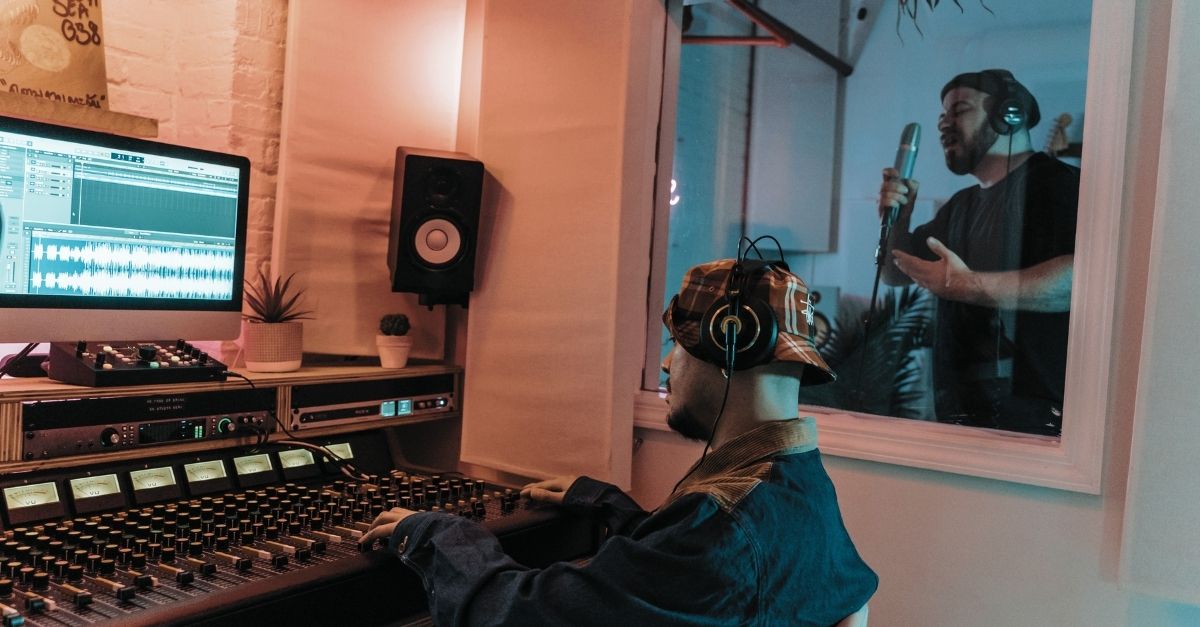
As a digital literacy advocate, I spend a lot of time thinking about how technology reshapes human agency. Most of the time that means algorithms and how platforms are designed. But lately something else has been pulling at my attention. Not the tools themselves, but what they're quietly doing to the people who built the creative economy that trained them.
There's a version of this conversation that goes: AI is stealing from artists. It trained on their work without permission, without payment, and now it's producing outputs that compete directly with the people it learned from.
That argument has merit. But it's not the one that keeps me up at night.
The one that does is quieter. Less dramatic. And probably more consequential.
First, the copyright question
Let me say something that might be unpopular: I'm not entirely convinced that AI learning from human-created work is categorically different from how humans learn.
A musician listens to thousands of songs before writing their first one. A painter studies the masters, copies their techniques, absorbs their style. A writer reads obsessively and then, somewhere in that reading, finds their own voice. We don't call that theft. We call it learning. We call it influence. We consider it the normal mechanism by which culture moves forward.
AI does something structurally similar. It ingests, it synthesizes, it produces. The legal system is still figuring out where the lines are, and courts will be arguing about this for years. I don't think the answer is obvious.
What is obvious to me is the economic consequence. And that's a different conversation entirely.
The real problem isn't learning. It's displacement.
Think about what's happened to stock photography. For years, photographers built real income streams by licensing their images through platforms like Getty and Shutterstock. It wasn't glamorous work. But it was reliable. It funded the time and equipment and travel that let them develop as photographers.
That market is collapsing. Not because the photographers got worse. Because AI can now generate a convincing product photo, a lifestyle image, a portrait, in seconds, for almost nothing. The buyer doesn't need a photographer anymore. They need a prompt.
The middle is disappearing
Here's what's easy to miss when you zoom out too far: the creative economy was never really about the famous ones.
The Beyoncés and the Pixars and the Annie Leibovitzes were always the exception. The ecosystem that supported them — and the one that produced them — was built by people in the middle. The session musician who played on a hundred records before releasing their own. The graphic designer who spent years doing client work before landing the project that made their name. The photographer who sold stock images to pay rent while developing the portfolio that eventually got them noticed.
That middle layer is where creative careers are built. It's where experimentation happens, where skills develop, where the next generation of major talent comes from. And it's the layer that AI is currently dismantling most efficiently.
Large brands will still hire the most famous illustrators. The biggest studios will still work with the most celebrated directors. But the infrastructure underneath — the working layer, the developing layer — is getting hollowed out. Quietly. Without headlines.
Same story in 3D design. In music production. In voiceover work — and this one is particularly strange, because you can now license AI-generated voices that sound nearly identical to well-known voice actors, at a fraction of the cost. YouTube creators who used to pay for licensed music tracks now generate custom AI compositions that fit the exact mood and duration they need. The cover designer who used to get $300 for a book cover is competing with Midjourney.
None of these people were fired. Nobody sent them a letter. The phone just... stopped ringing.
Originality matters, but it doesn't pay the bills
You'll hear the argument that truly original work will always have value. That AI can only remix what already exists, and so genuinely novel human creativity will stand apart.
I think that's true. And I think it misses the point.
Originality doesn't emerge from nothing. It emerges from practice, from failure, from the slow accumulation of skill that only comes from doing the work over and over again, including the unglamorous paid work that keeps the lights on. A musician becomes original after years of playing other people's songs. A designer develops a distinctive eye after years of solving other people's problems.
If the economic pathway that funds that development disappears, the originality disappears with it. Not immediately. But eventually. The pipeline dries up.
We are at risk of optimizing for the output while destroying the conditions that produce it.
What AI will eventually run out of
There's an irony here that doesn't get discussed enough.
AI learned from us. Everything it knows about music, about visual composition, about narrative structure, about what makes an image feel alive — it absorbed from human-created work. Decades of it. Centuries of it, in some cases.
But if the economic conditions for human creativity collapse, the volume and diversity of new human-created work shrinks. AI systems trained in twenty years will have less novel human output to learn from. They'll increasingly train on each other's outputs, on AI-generated content mistaken for human work, on a narrowing pool of reference material.
The technical term for what happens then is model collapse. The creative term for it is a monoculture. Either way, it's not good.
AI's creative future depends on human creativity continuing to exist and evolve. The current economic trajectory threatens exactly that.
This isn't nostalgia
I want to be clear about something. This isn't an argument for freezing technology in place, or pretending AI tools aren't genuinely useful, or suggesting that every job that existed before must be preserved forever.
Tools change industries. That's always been true. Photography didn't kill painting. Recorded music didn't kill live performance. Word processors didn't kill writers.
But those transitions didn't simultaneously compress the economic return on creative work at every level of the market at the same time. What's happening now is different in scale and speed. And the people absorbing the cost aren't the ones at the top, who have enough name recognition and leverage to adapt. They're the ones in the middle, who haven't made it yet, who are still building, who need the working layer to exist in order to eventually rise above it.
If that layer disappears, we don't just lose the income streams of a generation of working creatives. We lose the generation of major creative voices that would have come from them.
That's not a copyright problem. It's a culture problem. And it's the one worth paying attention to.